
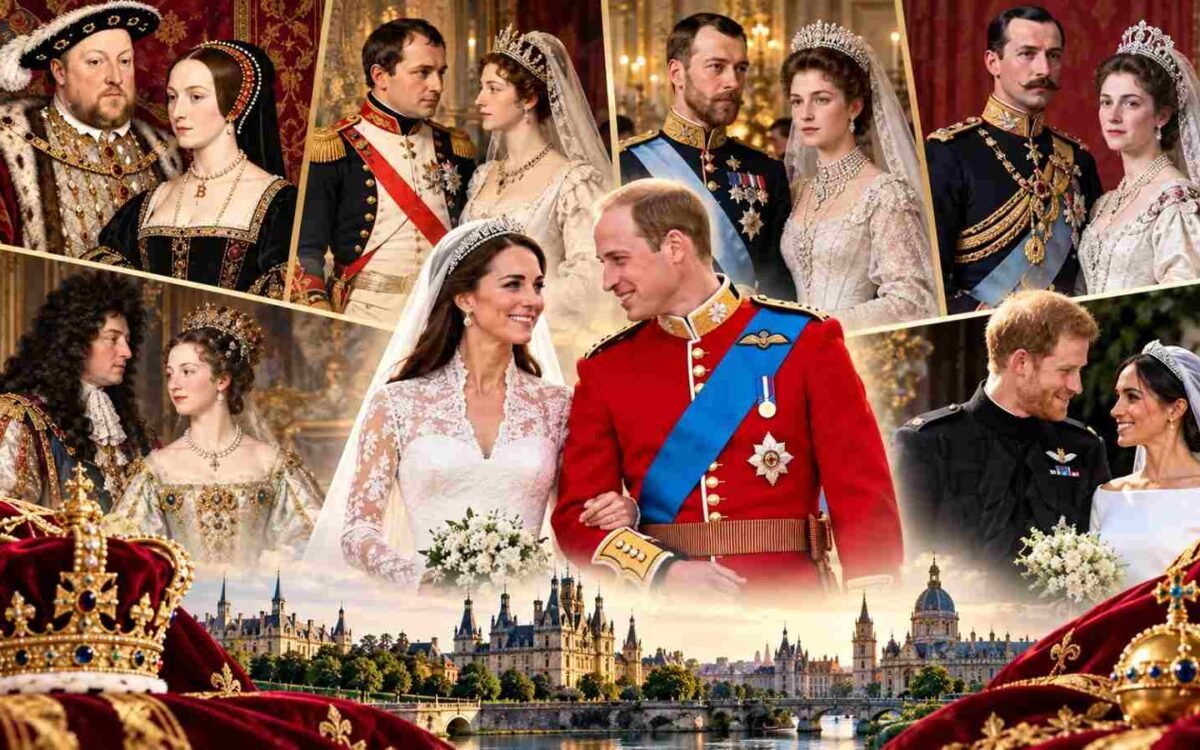
Royal weddings are often remembered for their magnificent gowns, glittering jewels and elaborate ceremonies. Yet, throughout European history, some of the most consequential marriages were about much more than romance. They helped royal families secure their succession, strengthen diplomatic relationships, acquire territories and influence the balance of power across the continent.

For centuries, monarchs and their advisers treated marriage as an important instrument of statecraft. A carefully negotiated union could connect rival dynasties, support a peace agreement or create a claim to another kingdom. However, these alliances could also produce unexpected consequences when succession disputes, religious differences or political rivalries intervened.
From the marriage that helped unite the Spanish crowns to Queen Victoria’s far-reaching family connections, these seven royal weddings illustrate how relationships between royal houses helped shape European history.
1. Isabella of Castile and Ferdinand of Aragon: A Marriage That Helped Shape Spain
Wedding year: 1469
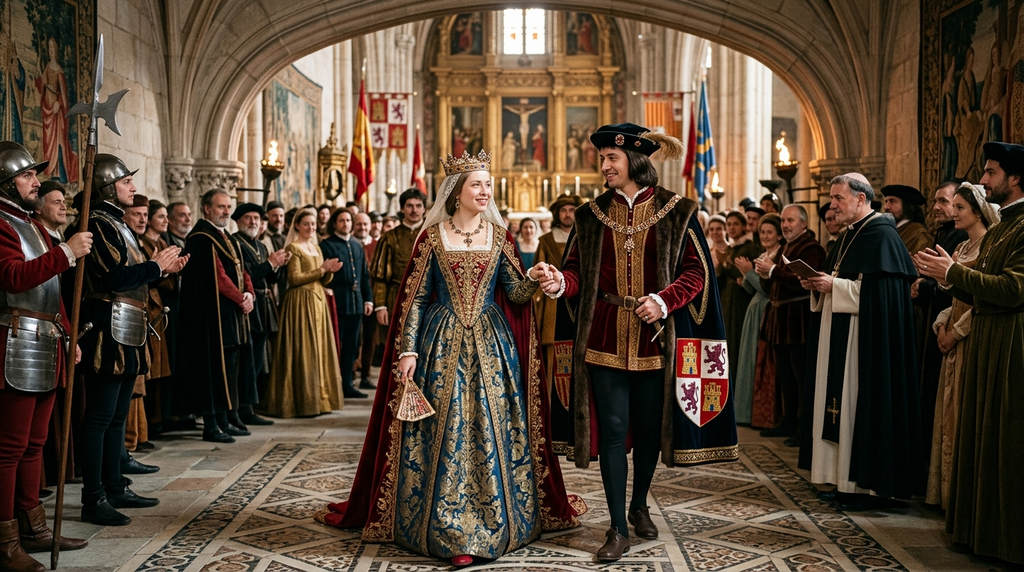
The marriage of Isabella of Castile and Ferdinand of Aragon was one of the most consequential dynastic unions in Iberian history.
When the couple married in 1469, Castile and Aragon were separate political entities with their own institutions and interests. Their union strengthened the relationship between two powerful dynasties and laid the foundations for the Spanish monarchy that emerged under their joint rule.
Isabella became Queen of Castile in 1474, while Ferdinand inherited the Crown of Aragon in 1479. Their partnership enabled them to coordinate important political and military policies, although the two crowns retained distinct institutions and laws.
Their reign also witnessed the conquest of Granada in 1492, bringing the last Muslim-ruled kingdom on the Iberian Peninsula under Christian rule. That same year, their sponsorship of Christopher Columbus’s Atlantic expedition opened a new chapter in European overseas expansion.
The marriage did not instantly create a unified modern Spanish state. Instead, it established a dynastic partnership that profoundly influenced the development of Spain and its later global power.
Why it mattered: Isabella and Ferdinand demonstrated how a royal marriage could reshape the relationship between neighbouring kingdoms and establish a lasting dynastic legacy.
Read More – Harry and Meghan’s Royal Exit: Inside Escaping the Palace
2. Mary of Burgundy and Maximilian of Austria: A Marriage With Lasting Territorial Consequences
Wedding year: 1477
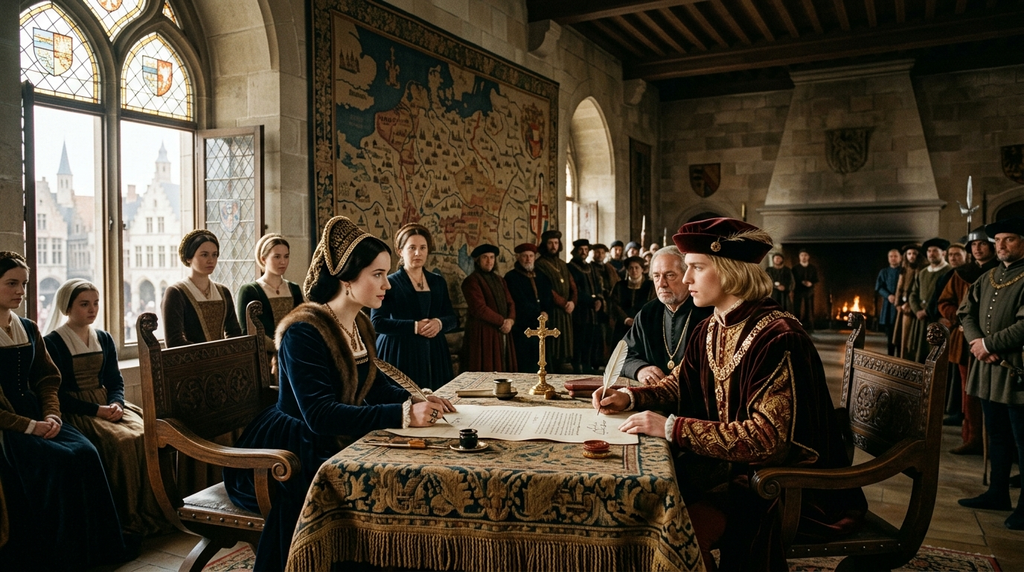
The marriage of Mary of Burgundy and Maximilian of Habsburg helped transform the political fortunes of the Habsburg dynasty.
Mary inherited the Burgundian territories after the death of her father, Charles the Bold, in 1477. These lands included wealthy and strategically important territories in the Low Countries. Her marriage to Maximilian connected her inheritance to the Habsburg family, creating a powerful new dynastic relationship.
The arrangement had consequences far beyond the wedding itself. Control over Burgundian lands became the subject of continuing political and military struggles, particularly between the Habsburgs and France.
Their descendants benefited from the family’s growing network of inheritances and marriages. Over subsequent generations, the Habsburgs emerged as one of Europe’s most influential ruling dynasties.
The outcome was not simply the transfer of territory through a wedding. It involved inheritance law, military conflict, diplomacy and the competing ambitions of neighbouring powers.
Why it mattered: Mary and Maximilian’s marriage helped establish the territorial and dynastic foundations of Habsburg power in Europe.
3. Margaret Tudor and James IV of Scotland: A Wedding With a Future British Legacy
Wedding year: 1503
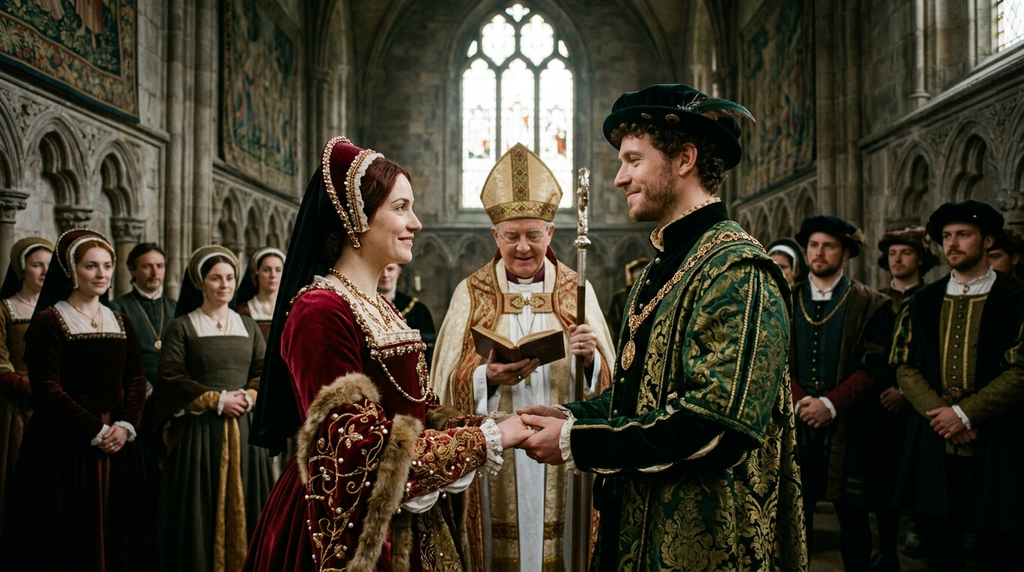
The marriage of Margaret Tudor, daughter of England’s Henry VII, to James IV of Scotland was intended to strengthen relations between two kingdoms with a long history of conflict.
The union formed part of a diplomatic settlement designed to improve relations between England and Scotland. Although the marriage did not permanently end hostilities, it created a family connection between the Tudor and Scottish royal houses.
Its most remarkable consequence emerged more than a century later.
Margaret’s great-grandson, James VI of Scotland, inherited the English throne in 1603 after the death of Elizabeth I. He became James I of England, bringing the crowns of England and Scotland under one monarch.
The two kingdoms remained politically separate for more than a century after James’s accession, and their formal parliamentary union came later, in 1707. Nevertheless, Margaret’s marriage helped create the dynastic link that made the later succession possible.
Why it mattered: A diplomatic marriage intended to improve Anglo-Scottish relations eventually became part of the family connection behind the shared monarchy of 1603.
4. Catherine of Aragon and Henry VIII: A Royal Marriage With Religious Consequences
Wedding year: 1509
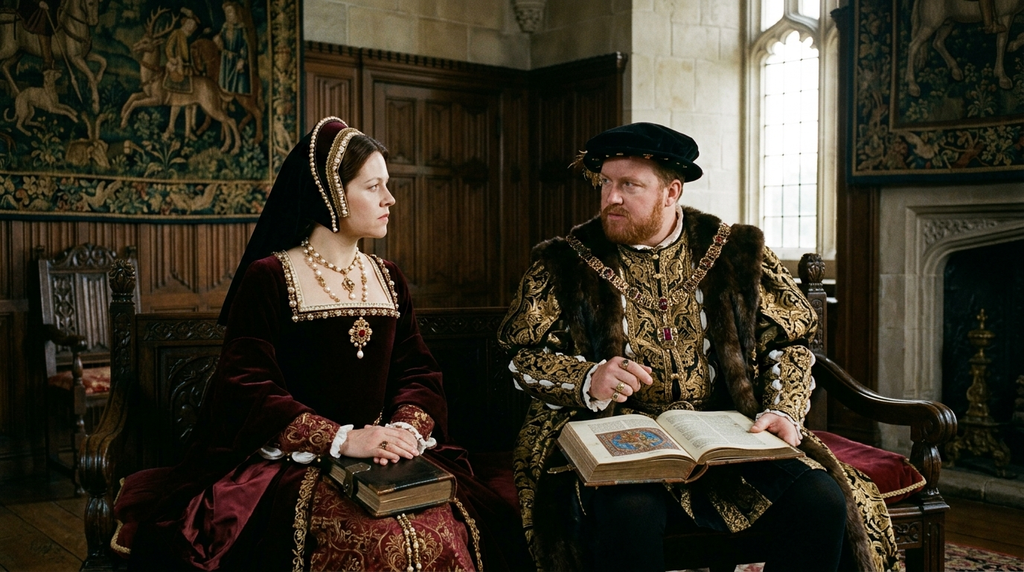
Catherine of Aragon, a Spanish princess and daughter of Ferdinand and Isabella, married Henry VIII of England in 1509. Their marriage initially reflected the close diplomatic connections that European monarchies sought to establish through dynastic unions.
Catherine had previously been married to Henry’s elder brother, Arthur, Prince of Wales, who died in 1502. After receiving the necessary ecclesiastical dispensation, she married Henry following his accession to the throne.
The marriage produced several pregnancies, but only one surviving child, Mary, who later became Queen Mary I. The absence of a surviving male heir became a central issue in Henry’s determination to end the marriage.
Henry’s unsuccessful efforts to obtain an annulment contributed to a major constitutional and religious crisis. The break with papal authority under Henry helped establish the Church of England’s independence from Rome, although the Reformation also had wider political, theological and social causes.
Catherine’s marriage therefore became much more than a diplomatic arrangement. Its breakdown changed the English monarchy and had lasting consequences for religion and governance.
Why it mattered: The dispute surrounding the marriage helped accelerate England’s break with Rome and transformed the country’s religious history.
5. Marie Antoinette and Louis XVI: The Political Risks of a Royal Alliance
Wedding year: 1770
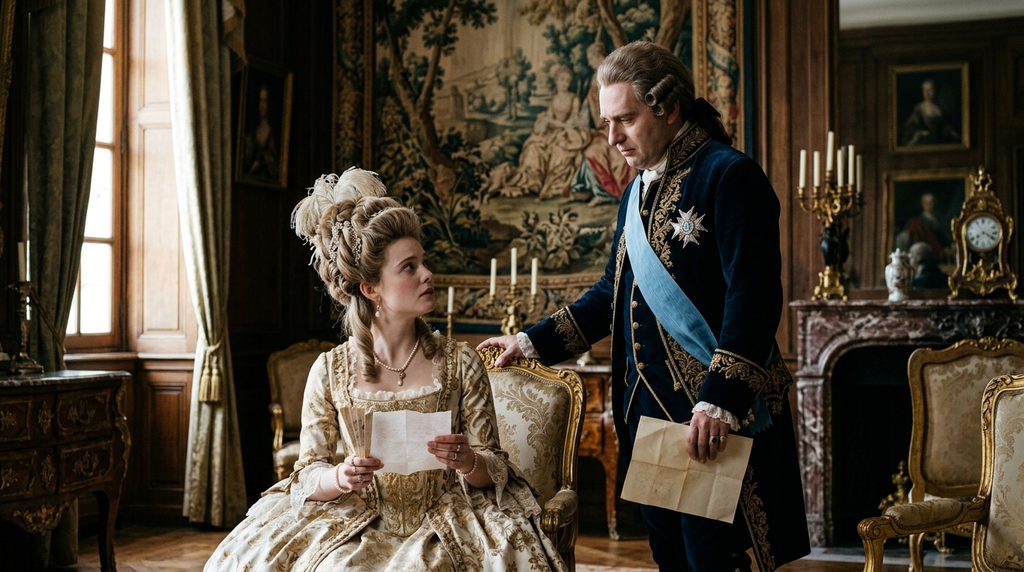
Marie Antoinette, an Austrian archduchess, married the future Louis XVI of France in 1770. The marriage was designed to strengthen relations between two powers that had historically competed for influence in Europe.
The union formed part of the diplomatic rapprochement between France and Austria during the eighteenth century. By connecting the Habsburg and Bourbon dynasties, the marriage symbolised a major shift in the traditional relationship between the two courts.
However, the alliance could not protect the French monarchy from growing domestic problems. Financial pressures, social inequality, political conflict and demands for reform contributed to the crisis that erupted in the French Revolution in 1789.
Marie Antoinette became a controversial figure in revolutionary politics, frequently portrayed by critics as a symbol of royal privilege and foreign influence. Louis XVI and Marie Antoinette were eventually executed in 1793.
Their fate demonstrates the limits of dynastic diplomacy. A marriage could improve relations between ruling families, but it could not guarantee political stability or resolve a country’s internal crises.
Why it mattered: Their union symbolised a major diplomatic realignment, while the later collapse of the French monarchy exposed the limits of royal alliances.
6. Queen Victoria and Prince Albert: A Marriage That Built a European Royal Network
Wedding year: 1840
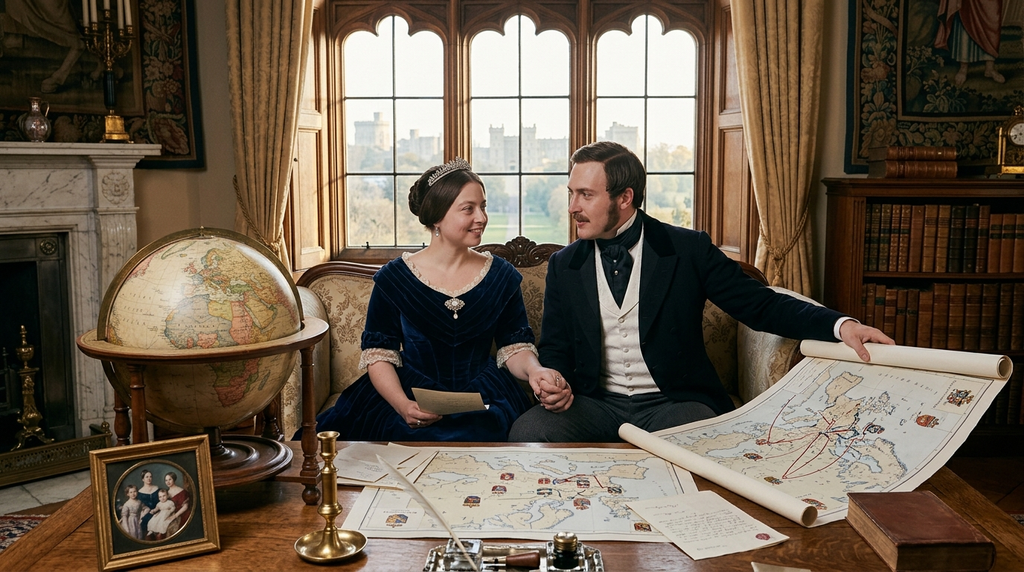
The marriage of Queen Victoria and Prince Albert of Saxe-Coburg and Gotha became one of the most influential royal partnerships of the nineteenth century.
Victoria and Albert married on 10 February 1840. Their relationship became closely associated with family life, public duty and the image of a modernising British monarchy.
The couple had nine children, several of whom married into other European royal families. Their descendants subsequently occupied prominent positions across the continent, creating an extensive network of family connections.
Victoria’s grandchildren included Kaiser Wilhelm II of Germany, while other descendants became members of royal houses in countries including Russia, Greece, Romania and Spain. These relationships helped explain why Victoria acquired the popular nickname “the grandmother of Europe.”
Yet fami

1 comment