
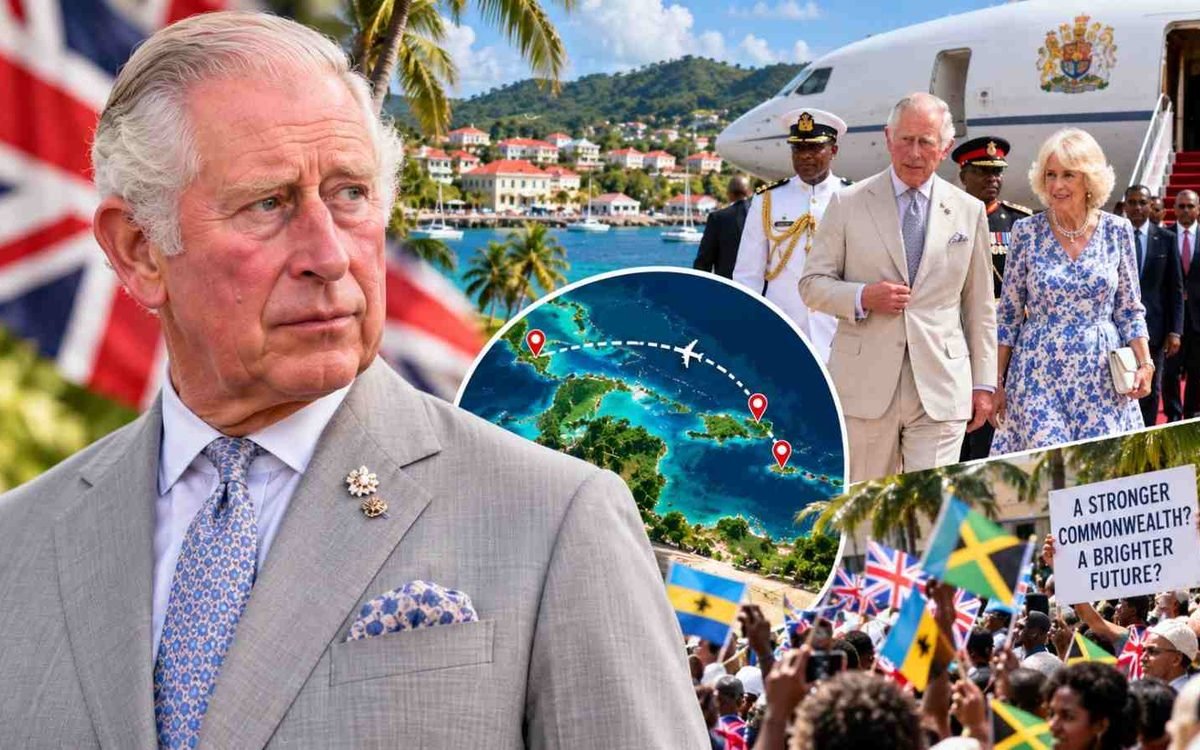
King Charles III is preparing for one of the most politically sensitive overseas tours of his reign, with growing demands for Britain to acknowledge its role in the transatlantic slave trade and address calls for reparations.
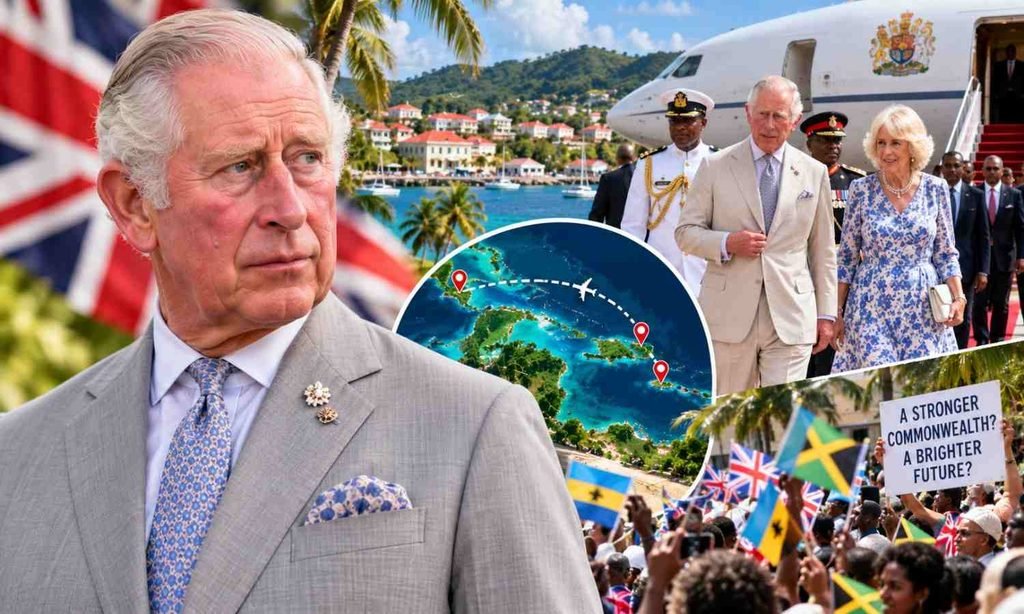
The King’s nine-day Caribbean tour, scheduled to run from October 27 to November 4, 2026, will take him to The Bahamas, Guyana, and Antigua and Barbuda. Although the visit is intended to strengthen diplomatic relationships and celebrate the modern Commonwealth, the painful legacy of slavery is expected to remain a central issue throughout the trip.
For Charles, the challenge is particularly complicated. He has previously acknowledged the horrors of slavery, but campaigners and regional leaders want stronger action, including a formal apology and discussions about financial compensation.
Royal historian Sir Anthony Seldon has described the situation as the biggest risk of the King’s reign so far, warning that the questions surrounding slavery, reparations, and apologies could challenge the monarchy’s moral standing.
The stakes extend beyond a series of royal engagements. The way Charles responds could influence public perceptions of the monarchy, Britain’s relationships with Caribbean nations, and the future of the Commonwealth.
Why King Charles Is Facing a Major Challenge
The King occupies a unique position. He is Britain’s head of state, but he also serves as monarch in several independent Commonwealth countries, including The Bahamas and Antigua and Barbuda.
These countries have their own governments, political priorities, and national identities. Their relationships with Britain are shaped by both contemporary cooperation and the historical experience of British colonial rule.
The transatlantic slave trade remains one of the most painful parts of that shared history. Millions of Africans were forcibly transported and enslaved, while colonial economies and institutions benefited from their exploitation.
For many campaigners, acknowledging this history is only the first step. They argue that its consequences continue to affect Caribbean societies and that recognition should be accompanied by meaningful action.
This places Charles in a difficult position. As monarch, he can acknowledge historical suffering, express sympathy, and encourage dialogue. However, he cannot independently commit the British government to paying reparations or determine national policy.
The distinction between the King’s constitutional role and the government’s political responsibilities will be crucial as the tour unfolds.
Read More- Meghan Markle May Reveal More Royal Secrets Amid William and Kate Tensions
Why Caribbean Leaders Want an Apology and Reparations
Calls for reparations have grown louder across parts of the Caribbean, with campaigners seeking recognition of the damage caused by slavery and its long-term consequences.
Reparations can take different forms. Some advocates call for financial compensation, while others support investment in education, healthcare, infrastructure, cultural preservation, and initiatives addressing inequalities linked to colonial history.
The issue is not limited to a debate about the past. Supporters argue that the economic and social effects of slavery continued long after emancipation and should be addressed through sustained cooperation.
Guyana’s President, Irfaan Ali, has been among the prominent regional voices calling for a formal apology and compensation. Other Caribbean leaders and campaigners have also argued that acknowledging historical wrongdoing should lead to practical discussions about justice and restitution.
Commonwealth Secretary-General Shirley Ayorkor Botchwey has supported a serious conversation about reparations, indicating that the subject deserves attention rather than avoidance.
For Charles, these demands create a diplomatic challenge. A response that appears too cautious could disappoint campaigners and regional leaders, while a commitment beyond his constitutional authority could create confusion about the responsibilities of the monarchy and the British government.
What Has Buckingham Palace Said About the King’s Visit?
Buckingham Palace has indicated that the King will not avoid discussions about Britain’s colonial past during the tour.
The Palace has previously described slavery as an atrocity and said Charles remains committed to acknowledging historical wrongs and addressing inequalities that continue today.
However, the Palace has also made clear that the visit will not include a formal royal apology or an independent commitment to reparations. Those questions primarily concern governments and their political decisions.
The distinction is important because the monarch’s public statements are not the same as a government policy announcement.
Charles can recognise the suffering caused by slavery and express support for continued dialogue. Any decision involving public money, formal state policy, or a negotiated reparations programme would require action by the relevant governments.
This limitation is at the heart of the challenge facing the King. He must demonstrate sensitivity toward the concerns of the countries he visits without stepping outside his constitutional role.
The Bahamas, Guyana and Antigua and Barbuda: Three Important Stops
The King’s tour will include three countries with different constitutional arrangements and historical experiences.
The Bahamas
The Bahamas will be one of the first stops on the visit. Although the country gained independence from Britain in 1973, it remains a constitutional monarchy with Charles as its head of state.
The monarch’s role is largely ceremonial, with elected political leaders responsible for governing the country.
The visit offers an opportunity to strengthen modern diplomatic ties and highlight cooperation in areas such as climate resilience, development, and regional security. However, the country’s colonial history and calls for reparations are likely to form part of the wider public conversation.
Guyana
Charles’s visit to Guyana will bring him into a country with a particularly significant history of slavery and colonial rule.
President Irfaan Ali has called for Britain to acknowledge the suffering caused by slavery and address demands for compensation. These calls mean the King’s engagements could involve difficult questions about whether expressions of regret are sufficient.
Guyana also has important contemporary interests, including economic development, environmental protection, and its growing role in the global energy sector.
The visit therefore presents an opportunity to discuss the country’s future while acknowledging the historical issues that continue to influence its relationship with Britain.
Antigua and Barbuda
The final stage of the tour will take Charles and Queen Camilla to Antigua and Barbuda, where they are expected to attend the Commonwealth Heads of Government Meeting.
The gathering will bring together leaders from across the Commonwealth to discuss shared priorities, including trade, climate change, development, and international cooperation.
However, the question of reparations is expected to remain an important subject. The visit will test the monarchy’s ability to engage with independent nations whose views about Britain’s colonial past may differ from those of the British government.
Could the Visit Affect the Future of the Commonwealth?
The Commonwealth is a voluntary association of 56 independent countries, many of which have historical connections to the British Empire.
Its members include republics as well as countries that retain the British monarch as their head of state. The organisation is not simply an extension of the monarchy, and its members have different political systems and priorities.
Nevertheless, Charles’s position as head of the Commonwealth gives him an important symbolic role.
The debate about slavery and reparations could influence how some member countries view the organisation’s relationship with its colonial history. For campaigners, addressing historical injustice is part of building a more equal relationship between nations.
Others argue that the Commonwealth should focus primarily on cooperation in areas such as education, trade, climate resilience, and development.
These positions are not necessarily incompatible. The challenge is finding a way to acknowledge historical wrongdoing while maintaining constructive relationships between independent countries.
Charles’s tour may provide an opportunity to demonstrate that difficult conversations about the past can take place alongside practical cooperation on present-day challenges.
Why the King Cannot Resolve the Reparations Debate Alone
One of the most important aspects of this story is the difference between the responsibilities of the monarch and those of the elected government.
Under Britain’s constitutional system, the King does not independently decide whether the government should issue a formal national apology or provide financial compensation for historical slavery.
Such decisions involve political leaders, government policy, legal considerations, and questions about public expenditure.
Even if Charles were to express strong personal sympathy for the demands being made, that would not automatically result in a formal government apology or a reparations agreement.
This creates a difficult situation for the monarch. Campaigners may look to him as a prominent symbol of the institution associated with Britain’s imperial history, while the authority to make major policy decisions rests elsewhere.
The King must therefore navigate the issue carefully, acknowledging the seriousness of the past without suggesting that he can personally deliver outcomes beyond his constitutional powers.
Could the Caribbean Tour Damage the Monarchy’s Reputation?
The tour could create reputational risks if Charles’s words or actions are seen as inadequate by the people and leaders he meets.
Royal visits are carefully planned diplomatic events, but they also provide opportunities for public discussion and protest. Questions about colonialism, historical injustice, and reparations may arise alongside the scheduled ceremonies and engagements.
The challenge is not simply avoiding controversy. It is demonstrating that the monarchy can engage respectfully with difficult historical questions while recognising the independence and priorities of the countries it visits.
Charles has previously acknowledged the horrors of slavery, which provides a foundation for further dialogue. However, some campaigners believe that recognition must be accompanied by more tangible action.
The outcome will depend partly on the tone of the King’s speeches, the quality of his engagements, and the responses of regional leaders and the public.
It is too early to conclude that the tour will damage the monarchy. A difficult visit could also create opportunities for stronger relationships if the King handles the discussions with care.
King Charles’s Personal Challenge as Monarch
At 77, Charles brings decades of experience in public service and international diplomacy to the role.
His position requires him to balance personal views, constitutional responsibilities, and the expectations placed on him by the countries he represents.
The slavery debate is especially sensitive because it involves a historical legacy associated with the institution he now leads. While the King did not personally participate in the historical events being discussed, the monarchy remains part of Britain’s wider national history.
That creates a distinction between personal responsibility for past actions and the responsibility of a modern institution to acknowledge its history.
Charles’s challenge is to recognise the significance of the past without turning a diplomatic visit into a dispute between Britain and the Caribbean nations he is visiting.
His approach could help demonstrate whether the monarchy can adapt to changing expectations about historical accountability and international relationships.
What Happens After the Tour?
The long-term significance of the visit will depend on what follows the scheduled engagements.
Speeches and expressions of concern may help maintain dialogue, but campaigners will continue to debate whether these gestures are enough. Some may press for formal negotiations, while others will focus on education, development programmes, or broader efforts to address the consequences of slavery.
The British government will remain central to decisions about national policy and financial commitments.
The Commonwealth Heads of Government Meeting may also provide an opportunity for leaders to discuss how member states can cooperate despite disagreements over history.
For Charles, the objective will be to maintain constructive relationships while respecting the limits of his constitutional position.
A Defining Moment for King Charles and the Monarchy
King Charles’s Caribbean tour is about more than diplomatic ceremonies. It places the monarchy at the centre of a difficult conversation about history, accountability, and the relationship between Britain and countries shaped by colonial rule.
The King can acknowledge the suffering caused by slavery, listen to the concerns of regional leaders, and support continued dialogue. But he cannot independently settle the political and financial questions at the heart of the reparations debate.
That is why the visit presents such a complex challenge.
If Charles handles the discussions with sensitivity, the tour could strengthen relationships and demonstrate that difficult conversations about the past can contribute to cooperation in the present. If his response is seen as insufficient, however, the visit could intensify existing frustrations.
The outcome remains uncertain. What is clear is that the King’s words and actions will be closely watched as he seeks to balance the monarchy’s historical legacy with its role in a changing Commonwealth.

1 comment