A small brass key, a family visitor list and an old document from more than two decades ago have become the center of a dramatic royal-family story circulating online.
At the heart of the story is a simple question: what does it really mean to be considered family?
According to the narrative, Prince William discovered that Catherine, Princess of Wales’s parents, Michael and Carole Middleton, had repeatedly been treated as visitors when entering the Windsor estate. The story claims that the couple had made hundreds of visits over several years while still being recorded as visitors on official household lists.
What initially appeared to be a minor administrative issue allegedly led to a much deeper discovery involving King Charles and Queen Camilla’s family.
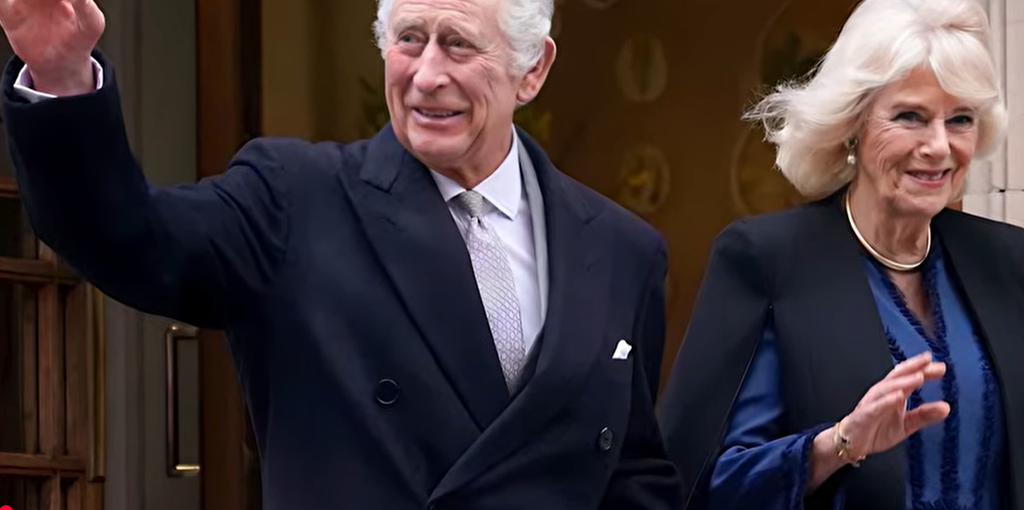
The story begins with an incident at a Windsor gate.
On a rainy evening, William is said to have encountered Michael Middleton waiting at a security barrier. The account describes Michael and Carole sitting in their vehicle while officials checked their names against the evening visitor list.
There was reportedly no serious security problem. Instead, the delay was attributed to an administrative issue.
What reportedly caught William’s attention was Michael’s attitude. Rather than becoming frustrated with the young security officer, he allegedly reassured him that he was simply doing his job.
The incident supposedly prompted William to examine the household records more closely.
According to the story, the records showed hundreds of previous entries for Michael and Carole Middleton, all categorized as private visitors. The narrative claims that many of those visits involved helping Catherine and William with family responsibilities.
The discovery reportedly led William to conclude that the arrangement needed to change.
Rather than treating the Middletons as ordinary visitors, he allegedly arranged for them to receive permanent access through a private gate and to be recognized as family members within the household system.
The story portrays the decision as something the Middletons had never requested.
In fact, Michael is described as initially reluctant to accept the key. William allegedly explained that it was not intended as a gift or privilege but as a correction to the way the family had been recorded.
That distinction becomes important later in the story.
The key itself is relatively insignificant. What it represents is much more complicated.
The narrative then introduces a comparison involving Camilla’s children, Tom Parker Bowles and Laura Lopes. It claims that they had continued to be recorded as guests at royal residences for many years.
This is where the story moves from an administrative matter to a question about the royal family’s history.
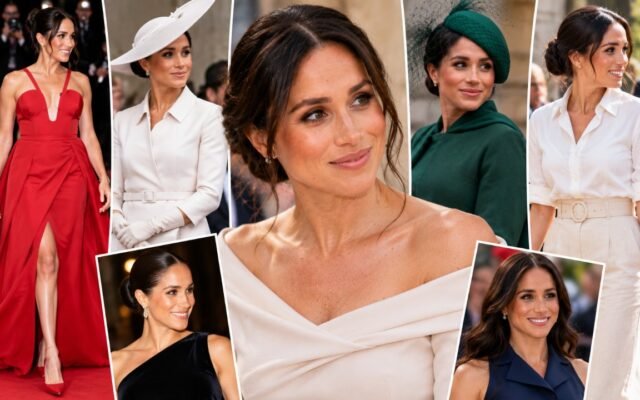
Read More – Meghan Markle’s Most Memorable Outfits: A Style Journey From Red Carpets to Royal Duties
According to the narrative, Camilla learned that the Middletons had been given family standing while her own children had remained visitors. Rather than objecting to William’s decision, she allegedly questioned why the same issue had never been properly addressed in her own family.
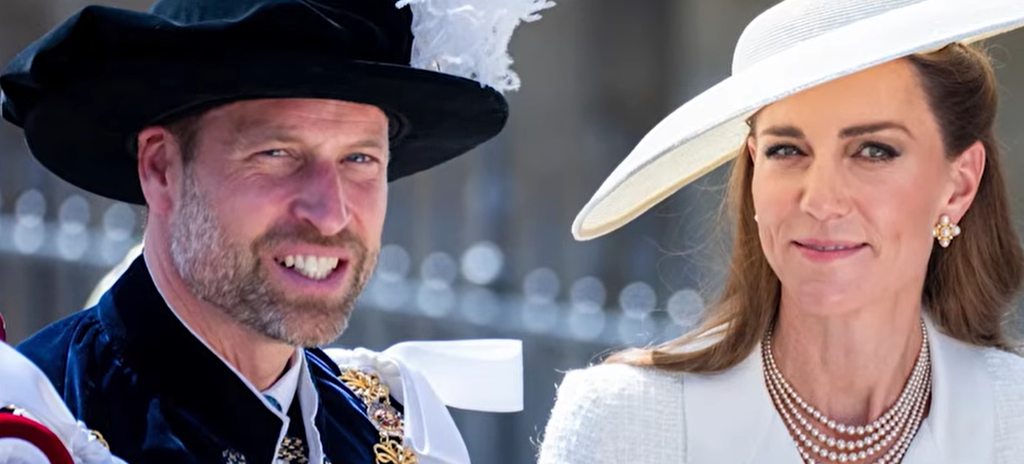
The story describes a tense family conversation at Windsor.
Camilla reportedly asks why her children had remained guests for so many years when the Middletons were now being treated differently.
The question is presented not as an attack on Catherine’s parents, but as an attempt to understand how the arrangement had developed.
The most dramatic moment comes when King Charles is said to remain silent.
Rather than responding directly, he reportedly listens without offering an explanation.
That silence becomes one of the central elements of the story. Fox News
Later, according to the narrative, William and Catherine investigate the historical records to discover whether there had originally been a reason for Camilla.
Camilla’s children to remain outside the family household arrangements.
Their search allegedly produces an old file dating from shortly after Charles and Camilla married in 2005.
Inside the file is supposedly a draft proposal suggesting that Camilla’s children should receive family standing at several royal residences.
The document, as described in the story, was never fully implemented.
Instead, it allegedly contained an instruction to delay the decision and revisit it later.
The crucial detail is that the proposed review supposedly never happened.
One year became several years. Several years became two decades.
The story therefore presents the situation not as a deliberate decision to exclude Camilla’s children, but as an administrative decision that was never revisited.
That distinction changes the meaning of Charles’s silence.
If the account is taken at face value, Charles was not necessarily rejecting the idea of giving Camilla’s children greater recognition. The story suggests that he had considered doing exactly that years earlier.
The problem was that the decision had been placed on hold and eventually disappeared into the machinery of household administration.
This creates an interesting contrast between the two situations.
William’s decision concerning Catherine’s parents is portrayed as immediate and practical. He sees a problem, examines the records and changes the arrangement.
The older decision involving Camilla’s children is portrayed very differently: a proposal was made, delayed and eventually forgotten.
The story ultimately suggests that both situations were connected by the same issue — what happens when an administrative decision remains unchanged simply because nobody remembers to reconsider it?
For William, the answer appears straightforward.
He does not withdraw the Middletons’ new status. Instead, he reportedly tells Catherine that her parents had earned the change through years of supporting their daughter and grandchildren without asking for special treatment.
At the same time, the story claims that Camilla is given an opportunity to reconsider the arrangement involving her own children.
Importantly, the narrative does not end with Camilla demanding royal privileges for them.
Instead, she allegedly chooses to leave the decision in their hands.
That becomes another important theme of the story: the difference between being offered something and being told that something has been decided for you.
The final image is deliberately symbolic.
Michael and Carole Middleton reportedly arrive at Windsor again, but this time the gate opens without the usual questions or visitor procedures.
The story describes the entry simply as a family visit.
There is no dramatic confrontation, no announcement and no public ceremony.
Just a gate opening.
That is perhaps the most effective part of the narrative because it reduces a complicated dispute about royal protocol to something ordinary.
The broader message of the story is not really about a key.
It is about how institutions can continue following old procedures long after the circumstances that created them have changed.
A note written decades ago can influence decisions years later. A temporary arrangement can quietly become permanent. And a simple administrative label can eventually carry far more meaning than anyone originally intended.
The story also highlights the complicated position of people connected to the royal family without being working royals themselves.
Catherine’s parents, Camilla’s children and other relatives occupy different positions within the wider family structure. Their relationships with the institution can therefore be difficult to define.
Whether every detail of this dramatic account is accurate cannot be established from the narrative itself. However, its central theme is easy to understand: sometimes the most significant changes begin with a very ordinary question.
Who belongs on the list?
And perhaps, more importantly, who has been waiting outside the gate simply because nobody remembered to change it?